
Top pick
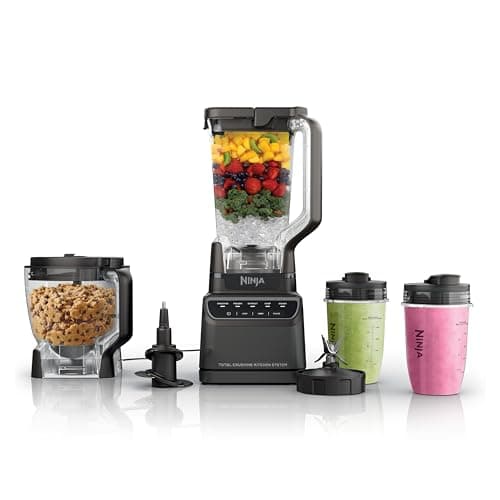
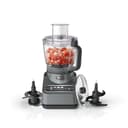
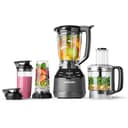
SharkNinja Ninja Kitchen System Food Processor BR601AMZ
SharkNinja
- Motor Wattage
- 1200 W
- Bowl Capacity
- 8 cups
- Price
- $219.99
A food processor handles slicing, chopping, shredding, dough, and purées faster than doing each task by hand. We researched and compared the top models by motor power, bowl capacity, attachment range, ease of cleaning, and verified owner feedback — no hands-on performance testing was conducted.
Last updated: July 18, 2026
Written by Will Henschell
| Product | Motor Wattage | Bowl Capacity | Preset Programs | Price | Price | Actions |
|---|---|---|---|---|---|---|
Top pick | 1200 W | 8 cups | 5 | $169.99 | $219.99 | |
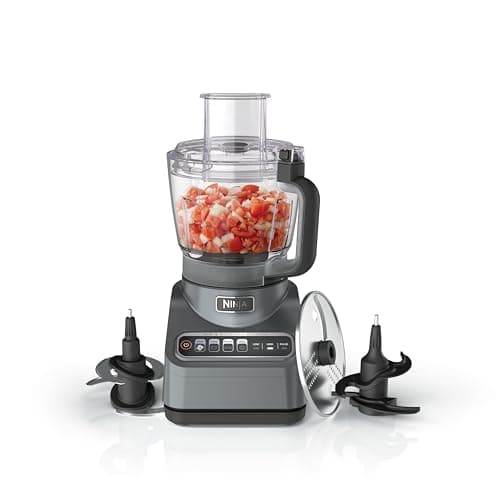
For comparison SharkNinja Ninja Food Processor BN601 SharkNinja | 1000 W | 9 cups | 4 | $99.98 | $109.99 | |
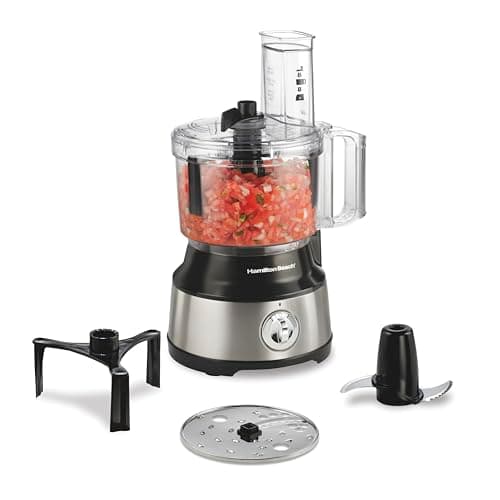
Budget option Hamilton Beach Food Processor & Vegetable Cho... Hamilton Beach | — | 10 cups | 0 | $69.95 | $69.95 | |
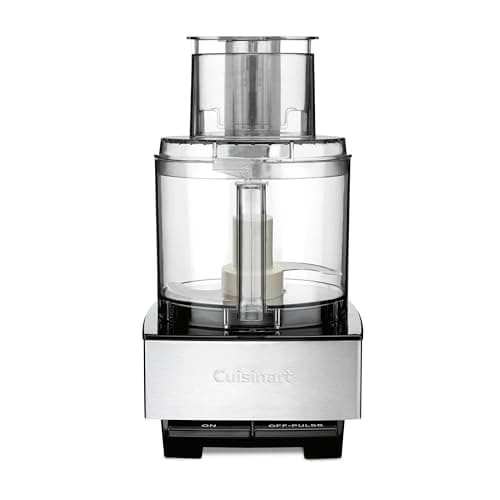
Higher-price option Cuisinart Food Processor DFP-14BCNY Cuisinart | 720 W | 14 cups | 0 | $242.53 | $259.95 | |
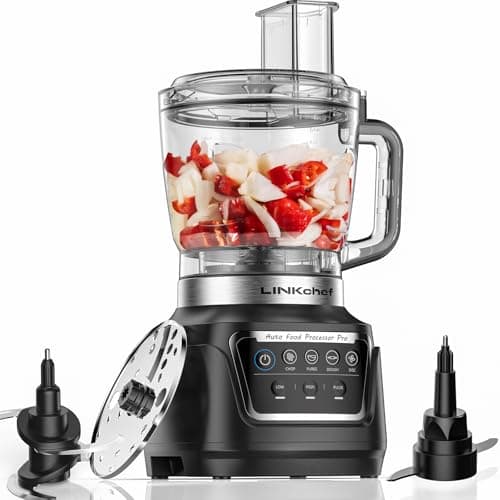
Alternative LINKchef Food Processor 68 oz LINKchef | 700 W | 8.5 cups | 4 | $129.99 | Price varies | |
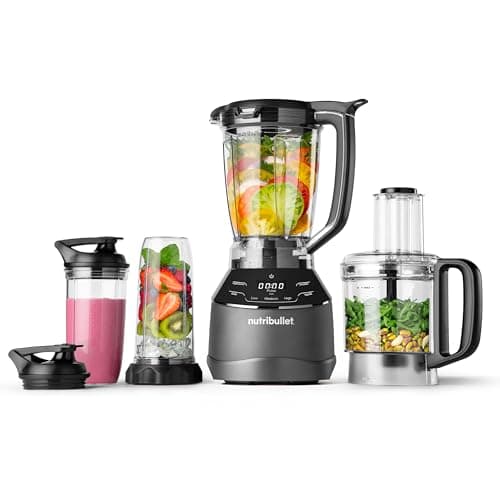
Also consider | — | 7 cups | 0 | $179.99 | $179.99 |
These source-reviewed food processors excel in power, capacity, and user-friendly features, making them the best choices for 2026.
The Ninja Kitchen System is a versatile all-in-one solution for smoothies, chopping, and more, making it a top choice for home cooks.
With a 1200-watt motor, it excels at blending and chopping. Ideal for families needing a multi-functional appliance, though it requires significant counter space. it offers excellent value for its range of features.
Its powerful motor and multiple attachments provide unmatched versatility in its price range.
Prices last verified September 2026. Check retailer for current price.
The Ninja Food Processor offers reliable performance with a 1000-watt motor and is a favorite among users for its ease of use.
Equipped with a 1000-watt motor, it efficiently handles chopping and dough making. Best for those who need a reliable processor for daily use but may find it lacks advanced features. it provides solid value for everyday tasks.
Its large capacity and ease of use make it a standout choice for everyday cooking tasks.
Prices last verified September 2026. Check retailer for current price.
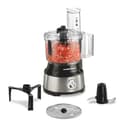
The Hamilton Beach Food Processor offers essential features at a budget-friendly price, perfect for occasional use.
With a 10-cup capacity, it is great for basic chopping tasks. Ideal for budget-conscious buyers, though it lacks advanced features. it is a practical choice for simple kitchen tasks.
Its affordability and practical design make it a great entry-level choice.
Prices last verified September 2026. Check retailer for current price.
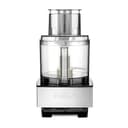
The Cuisinart Food Processor offers premium performance with a 720-watt motor and a large 14-cup capacity, ideal for serious cooks.
With a 720-watt motor, it excels at large batch processing. Best for culinary enthusiasts who need a high-capacity machine, though it comes at a higher price. it offers top-tier features for serious cooking.
Its large capacity and robust motor make it ideal for heavy-duty tasks.
Prices last verified September 2026. Check retailer for current price.
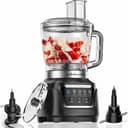
The LINKchef Food Processor offers unique features like a 68 oz capacity and smart auto control technology, perfect for tech-savvy cooks.
With a 700-watt motor, it handles a variety of tasks efficiently. Ideal for tech enthusiasts who appreciate smart features, though it may be complex for some users. it offers innovative features at a mid-range price.
Its smart auto control technology provides precise results with minimal effort.
Prices last verified September 2026. Check retailer for current price.
The nutribullet Triple Prep System offers versatility with its ability to blend and process food, making it a user favorite.
Featuring a powerful motor, it excels in both blending and processing tasks. Best for users needing an all-in-one solution, though it comes at a premium price. it offers great versatility for diverse kitchen needs.
Its dual functionality as a blender and processor offers unmatched versatility.
Prices last verified September 2026. Check retailer for current price.
Common questions about buying and using food processors in 2026.
The source-reviewed food processor in our comparison is shown in the ranked list and key takeaway above — chosen for motor performance, bowl capacity, attachment value, and verified owner satisfaction. The best model for you depends on your household size, cooking habits, and whether you need it primarily for chopping, slicing, or dough. Most home cooks find a 7–9 cup model sufficient for everyday meal prep and occasional batch cooking.
Start with bowl size: a 7-cup model handles everyday chopping and shredding for 1–2 people; a 12–14 cup model suits larger families or batch cooking. Then check motor wattage — 500W handles most vegetables and herbs; 700W+ is better for dough and harder ingredients. Confirm that the bowl and blades are dishwasher-safe, and review which discs and attachments come included, since ranges vary significantly by model and brand.
Food processors and blenders excel at different tasks. A food processor handles dry and semi-dry work — chopping vegetables, shredding cheese, slicing, making dough, and mixing thick batters. A blender excels at fully liquid tasks — smoothies, soups, sauces, and frozen drinks. If you need to choose one for general meal prep, a food processor covers more varied cooking tasks. If you primarily make smoothies and blended soups, a blender is the more practical choice.
For small kitchens, a 7-cup food processor is the most practical choice — it handles everyday chopping, slicing, and shredding without taking up excessive counter space. Mini food processors (3–4 cups) are even more compact and work well for herbs, garlic, onions, and small batches. Look for a model with a narrow base footprint. Always check specific dimensions before buying if counter or cabinet space is a limiting factor, since footprints vary more than capacity labels suggest.
Yes — most home food processors draw 300–700 watts during operation, but they only run for seconds to a few minutes at a time. Total energy use per session is very low compared to appliances that run continuously. A 500W food processor running for two minutes uses roughly the same energy as a standard LED bulb running for about two hours. Choosing a motor matched to your tasks — not overpowered for your needs — is the most efficient approach for everyday use.
With proper care and regular cleaning, a quality food processor typically lasts 7–10 years. The blade edge, bowl seal, and lid latch are the components that show wear first. Most brands offer 1–3 year warranties on the motor and 1 year on accessories. Cleaning after every use, not overfilling the bowl, and avoiding running the motor beyond its rated capacity are the habits that extend the lifespan most. Verified owner reviews often surface common failure points after 2–3 years of regular use.
Yes — modern food processors include safety interlocks that prevent the motor from starting unless the bowl and lid are properly locked in place. Non-slip bases reduce movement during operation. Always use the included food pusher rather than your fingers when feeding ingredients through the feed tube, and keep hands away from the blade at all times. Follow the manufacturer's maximum fill level guidance and avoid running the motor without food in the bowl, which can cause unnecessary wear on the motor.