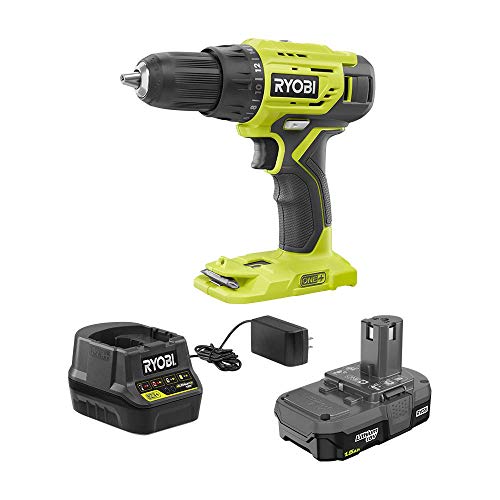
Best Electric Drills for 2025
This guide helps you find the best electric drills for 2025 by comparing power, battery technology, ergonomics, and features for different users — from occasional DIYers to professional tradespeople. It summarizes how to choose a drill, the key benefits of modern models, common use cases, real-world example setups, and a clear final verdict to make buying easier.
How to Choose the Right Electric Drills
Choose a drill by matching its capabilities to your tasks. Consider motor type (brushless preferred for efficiency and longevity), voltage and torque for required power, battery chemistry and capacity (Li-ion, mAh/Wh), chuck size (1/4" hex vs 3/8"–1/2" keyed or keyless), variable speed and clutch settings for control, weight and ergonomics for comfort, and additional features such as brushless electronics, hammer function for masonry, quick-change chucks, built-in lights, and smart connectivity. Balance performance against budget and warranty; for occasional home use a compact 12–18V drill is typically enough, while professionals often need rugged 18–20V systems or corded models for continuous heavy work.
Key Benefits
- Improved portability: cordless Li-ion systems let you work anywhere without a cord.
- Higher efficiency and longer life from brushless motors.
- Better torque control and variable speed for precision work.
- Faster job completion with higher RPMs and more power options.
- Battery ecosystem: one battery fits multiple tools in the same platform.
- Reduced maintenance compared with older brushed motors.
- Integrated safety features like electronic torque limit and clutch slip.
- Compact models enable access to cramped spaces without sacrificing performance.
Top Use Cases
- Light home maintenance and assembly: installing shelves, furniture, and fixtures.
- Carpentry and cabinetmaking: drilling pilot holes, driving screws, and countersinking.
- Metalworking and fabrication: high-torque drilling with metal-specific bits.
- Masonry and concrete: using hammer/impact modes or dedicated hammer drills.
- Automotive tasks: removing and installing fasteners in tight engine bays.
- Outdoor builds: decking, fencing, and pergolas with weather-resistant batteries.
- Commercial construction: framing, subflooring, and repetitive fastening with cordless impact drivers or heavy-duty drills.
- Tight-space and overhead work: compact or right-angle drills to reduce fatigue.
Real-World Examples
- Weekend DIYer setup — 12–18V compact brushless drill with a 2Ah–4Ah battery: light, affordable, great for furniture assembly, hanging drywall, and small repairs.
- All-around contractor kit — 18V or 20V brushless drill/driver plus 4–5Ah batteries and fast charger: balanced power and runtime for framing, decking, and general trades.
- Masonry-focused build — hammer drill (corded or cordless with hammer mode) and a set of carbide masonry bits: optimal for anchors, block, and concrete holes.
- Heavy-duty production — high-torque brushless drill or corded model with large-capacity batteries or constant power supply: suited to repetitive drilling, large-bore holes, and demanding materials.
- Tight-space specialist — right-angle or compact head drill with shorter length and low weight: ideal for cabinet interiors, plumbing, and electrical enclosures.
Final Verdict
Match the drill type and battery platform to your most common tasks rather than buying the most powerful unit available.
Prioritize brushless motors and reputable battery systems for better efficiency, longevity, and resale value.
For casual users a compact 12–18V system covers most needs; professionals should invest in higher-capacity 18–20V platforms or corded options for sustained heavy work.
Consider ergonomics, available accessories (bits, chucks, cases), and warranty when comparing models.
Test feel and balance in hand where possible — the best drill is the one you can use comfortably and safely for the work you do most.